

Post-Op Orthopedic Rehab: What the First 6 Weeks Should Actually Look Like
The first six weeks after surgery set the tone for everything that follows. Good post-op orthopedic rehab in this window is less about heroic exercises and more about protecting the repair, calming the joint, and keeping your body ready to work once the restrictions loosen.
Do these weeks well and later strength work is smoother. Do them poorly and you spend months chasing range of motion, swelling, and confidence you could have protected early. Nobody wants to spend month four fixing a problem that was easy to prevent in week two.
The Real Goals Early On
- Protect the repair or reconstruction
- Restore the range your surgeon expects in this window
- Wake up the muscles that shut down after surgery
- Normalize gait as protocol allows
- Keep the rest of your body from deconditioning
Pain-free Instagram workouts are not the goal. Clean fundamentals are.
Surgery does more than repair a structure. It also changes how your nervous system talks to the muscles around it. After many knee, hip, and shoulder procedures, the muscles near the joint do not fire the way they did before. Swelling makes this worse, because a swollen joint tends to inhibit the muscles that should be protecting it. That is why early rehab spends so much time on things that look simple, like a quad set or a gentle heel slide. Simple does not mean unimportant.
Week-by-Week Reality Check
Weeks 0-2
Swelling and protection dominate. Elevation, compression, and precise dosing of movement matter more than "being tough."
In this phase, we want you moving enough to keep the joint from stiffening and the circulation going, but not so much that you irritate it. Your PT will show you the range and the activation exercises your surgeon's protocol allows. If your protocol says non-weight-bearing or a brace, that is not a suggestion to negotiate.
Weeks 2-4
Activation and controlled range expand. This is where people either build a base or start compensating hard.
You may be walking more, or at least moving with fewer restrictions. This is also the stage where bad habits form. A stiff-legged walk, a hiked hip, a shoulder that shrugs up to do the work of a muscle that is not ready. Your PT will watch for these early, because a pattern is much easier to fix at week three than at week twelve.
Weeks 4-6
Strength exposure increases if tissue rules allow it. Still not the time to test your ego.
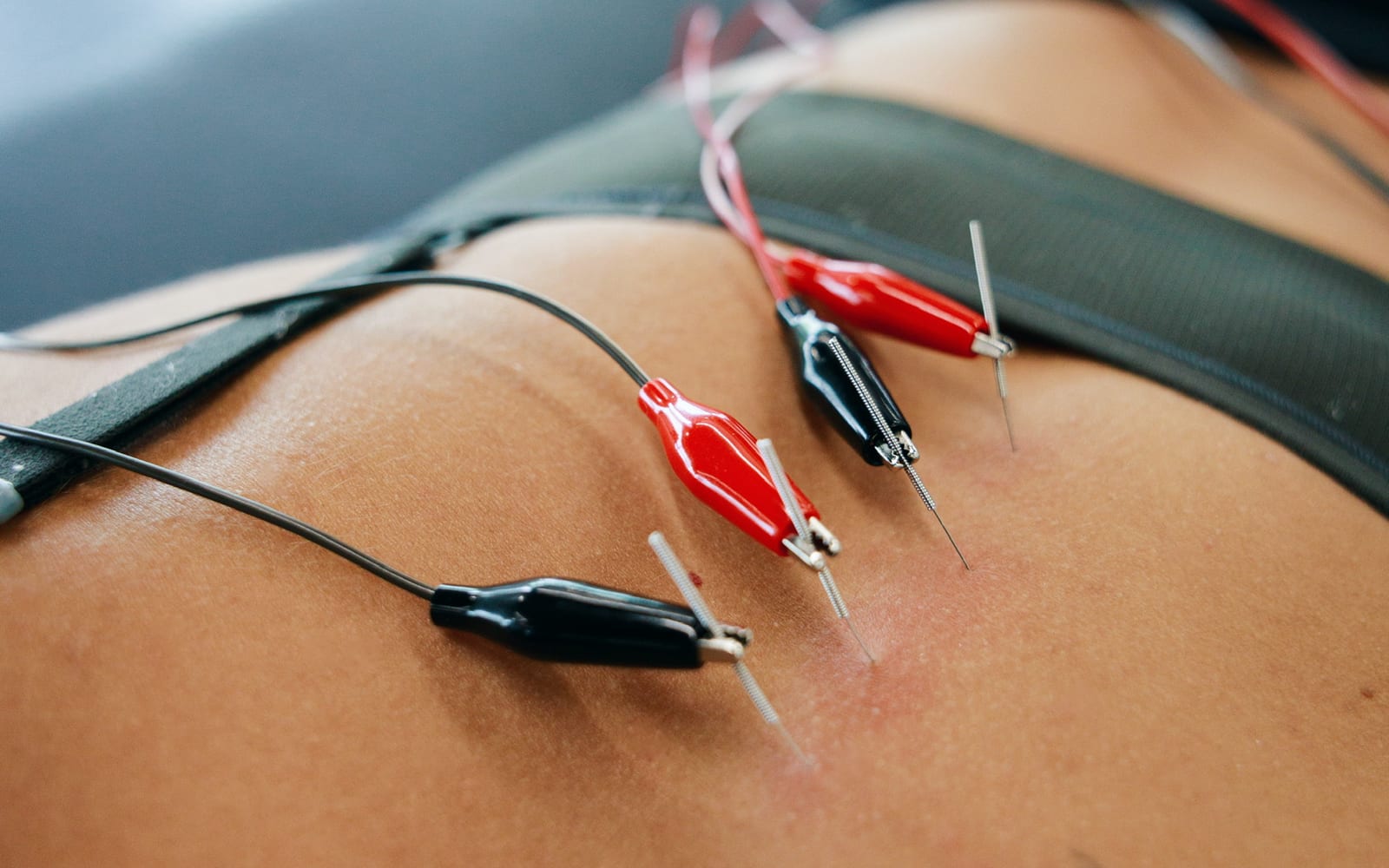
Many people begin more meaningful loading here, with bodyweight patterns, light resistance, and sometimes tools like blood flow restriction when heavy loading is not yet appropriate. If you are curious about that option, read blood flow restriction training and when it helps. The principle is the same everywhere: load the tissue enough to matter, but never faster than it can adapt.
Exact timelines always follow your surgeon and procedure. ACL, meniscus, shoulder, and hip protocols are not interchangeable, and your PT will work from your surgeon's instructions, not from a generic calendar.
Mistakes That Delay Comebacks
- Ignoring extension or overhead range early
- Walking with a limp long after you could clean it up
- Skipping blood-flow and activation work because it feels "too easy"
- Comparing your week 3 to someone else's highlight reel
Range of motion is the one people underestimate most. Lost knee extension or overhead reach is much easier to protect in the first weeks than to win back later, once scar tissue and stiffness have settled in. If your range stalls, tell your care team early rather than hoping it sorts itself out.
If you want the longer list of recovery traps, read post-op rehab mistakes delaying comebacks.
What to Do Outside the Clinic
You will spend far more hours at home than in a session, so the home plan matters. A few things we commonly work on with patients:
- Follow your elevation and swelling guidance consistently, not just on bad days
- Do your prescribed activation and range work in short, frequent doses
- Keep training the parts of your body that are not injured, within your surgeon's limits
- Sleep, eat enough protein, and do not skip meals because you feel less active
- Track how the joint feels the next morning, not just during the exercise
That last point is the most useful one. How the joint feels 12 to 24 hours later tells you whether yesterday's dose was right. If swelling or pain climbs and stays up, scale back and tell your PT. If everything feels calm, that is a sign there may be room to progress.
Get evaluated promptly for sharp or escalating pain, numbness or tingling, new or increasing swelling, calf pain or warmth, night pain that keeps building, fever, or any inability to bear weight when you are cleared to. Do not wait for your next scheduled visit with those.
What Good Care Feels Like
You leave sessions knowing:
- What you did
- Why you did it
- What "good" vs "too much" feels like before the next visit
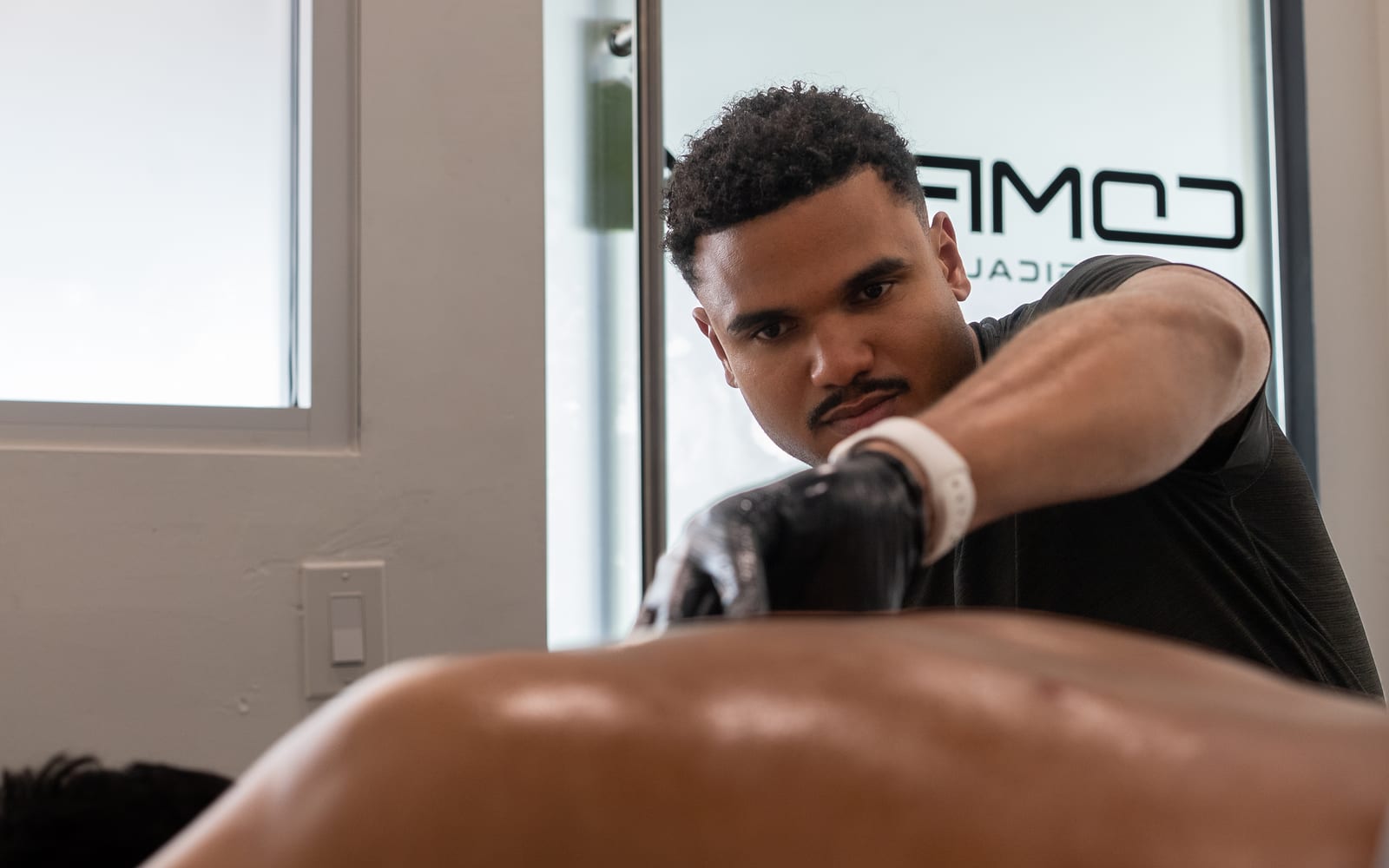
That clarity is how orthopedic rehab becomes progress instead of guessing. It is also why we run one-on-one sessions in our physical therapy care, so the plan adjusts to your joint that day instead of to a template.
As the weeks go on, the goal shifts from protecting the repair to rebuilding capacity. Early rehab and later performance training are not two separate worlds. They are one continuous progression, and the better the first six weeks go, the sooner you can start the part where you get stronger than before.
Frequently asked questions
Is it normal for the joint to still feel swollen at week six?
Some swelling can linger for a while after surgery, and it often flares with more activity. What matters is the trend and how it responds to rest and elevation. If swelling is increasing, hot, or paired with calf pain or fever, contact your surgeon or get evaluated right away.
Can I start strength training before my surgeon clears loading?
Generally no for the operated area, but you can often train the rest of your body within your surgeon's limits. Your PT can show you what is safe, and that is usually more than people expect. Keeping the uninjured areas strong makes the later return much easier.
How soon should I start physical therapy after surgery?
Many people start within days to a couple of weeks, depending on the procedure and the surgeon's protocol. Early guidance on swelling, range, and gait usually pays off. Ask your surgeon when to begin, and we can coordinate from there.
Let's get you better. Start your post-op rehab plan with Sebastian or book an evaluation. We see patients at our South Miami and Wynwood locations.
Ready to Start Your Journey?
Tell us your goals and we'll build a personalized plan to get you moving, stronger, and performing at your best.