

Strength & Conditioning for Weekend Warriors Who Still Want to Compete
You do not need a pro-athlete schedule to train like you respect competition day. Strength and conditioning for weekend warriors is about building a plan that fits a demanding workweek, protects your joints, and still makes you dangerous on Saturday.
Most adult athletes we see are not short on effort. They are short on structure. They sprint into a Saturday league game after five days at a desk, or they train hard every day and show up to the weekend already tired. A little planning fixes most of that.
The Weekend-Warrior Training Triangle
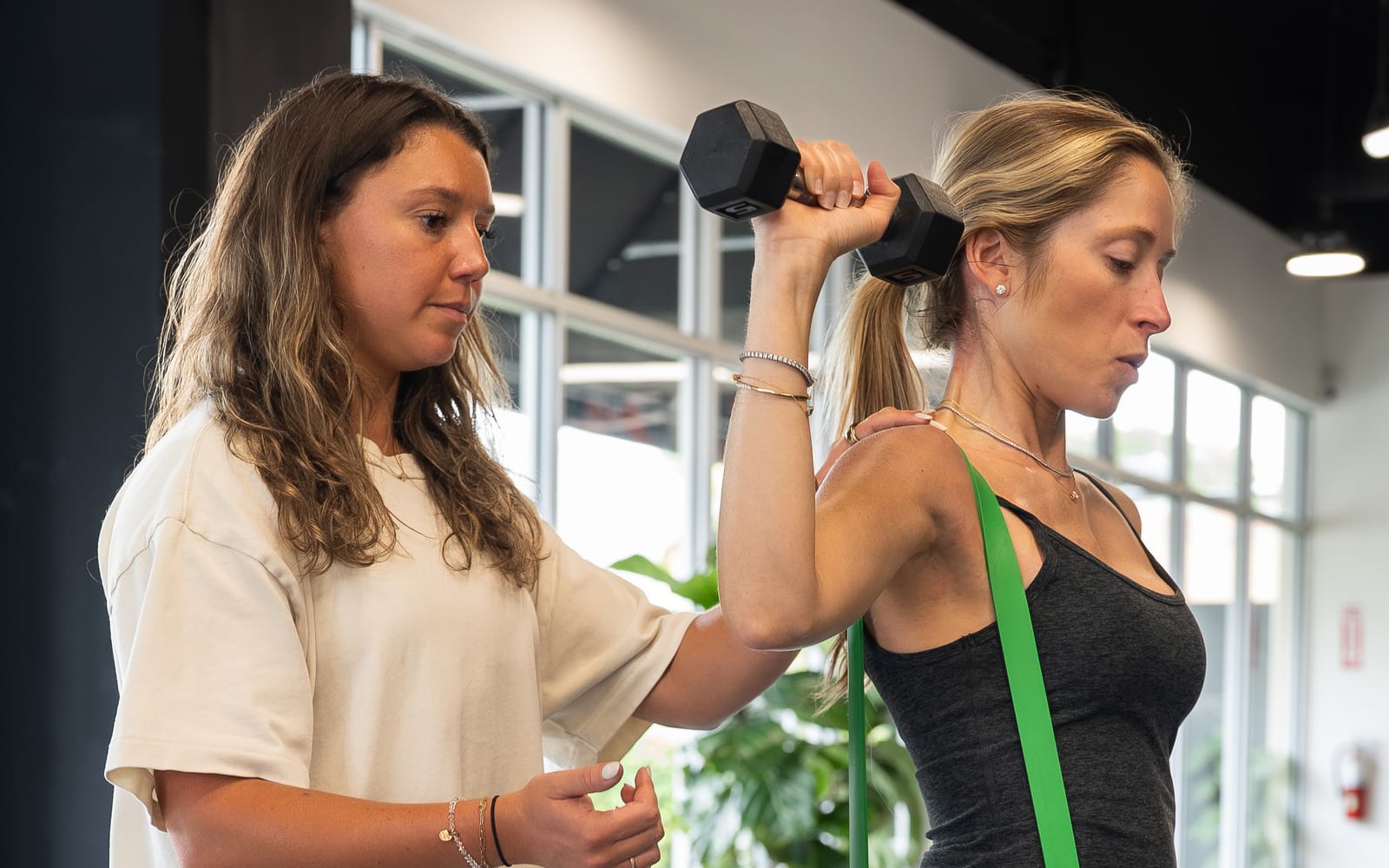
- Strength: 2 sessions that hit squat, hinge, push, and pull patterns
- Speed or power: short, high-quality exposures
- Conditioning: enough engine work without trashing recovery
If everything is hard every day, nothing can be sharp on the weekend.
Strength is the base. It protects joints, makes you more durable, and supports everything else. Speed and power are the sharpening tools: a few fast, crisp efforts such as jumps, short sprints, or med-ball throws, done fresh and kept short. Conditioning is the engine that keeps your mechanics from falling apart late in a game or race, and it needs to be dosed so it does not eat the recovery your strength work depends on.
Notice what is missing: a daily grind. Adult athletes have jobs, families, commutes, and stress that already tax recovery. Training has to fit inside that reality, not ignore it.
A Practical Weekly Template
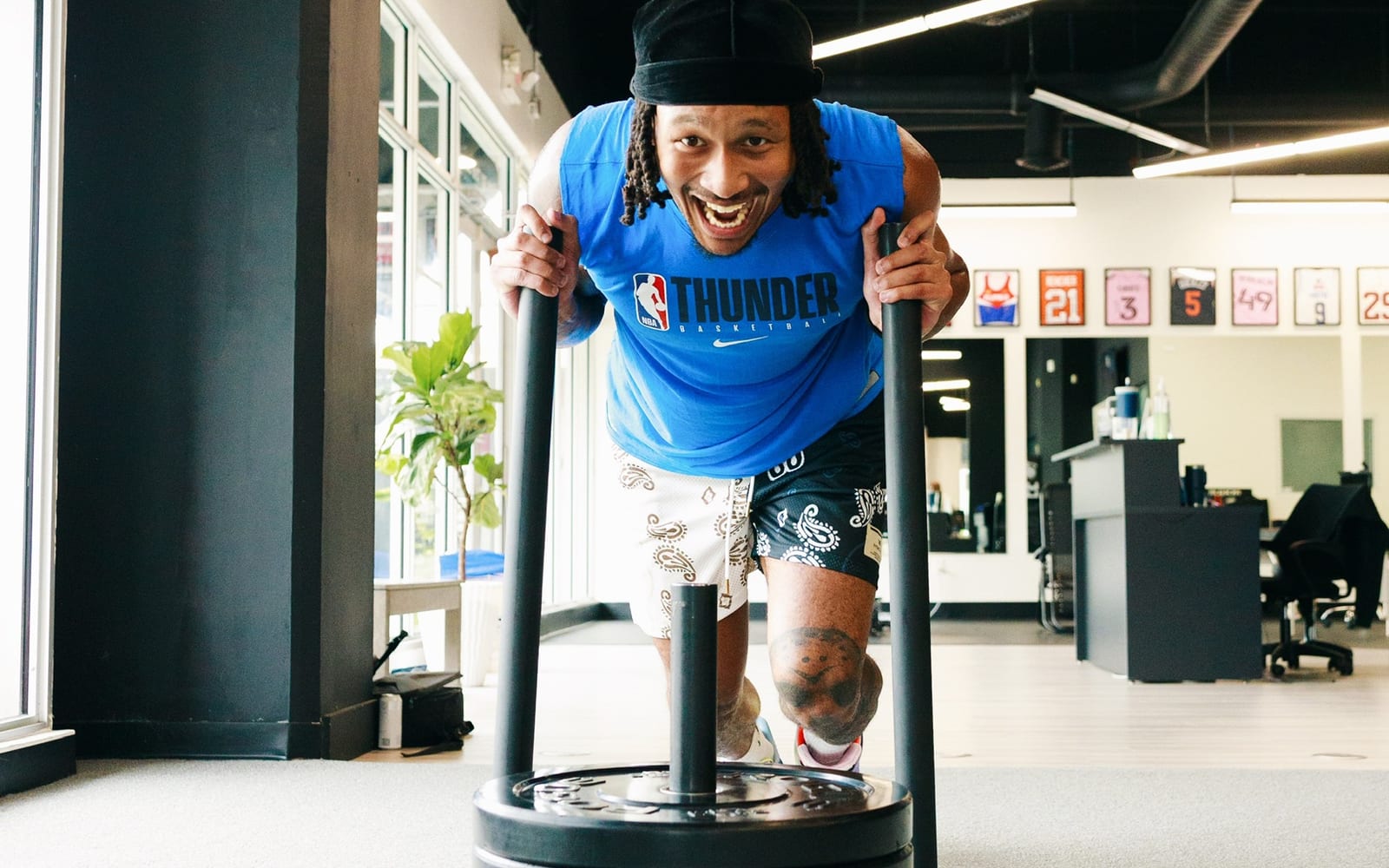
- Mon: Strength A
- Tue: Easy movement or mobility ownership
- Wed: Strength B and short power work
- Thu: Off or zone-2 style conditioning
- Fri: Light primer
- Sat/Sun: Compete or play hard
Adjust around your actual league nights. The calendar is part of programming.
Here is how each piece works:
- Strength A and B can be simple. Think a squat or split squat, a hinge, a push, a pull, and some trunk work. Leave a rep or two in the tank so you can recover and come back.
- Easy movement days are for walking, mobility, and light work that makes you feel better, not worse. Mobility you own beats mobility you borrow.
- Short power work goes after the warm-up, when you are fresh. A few sets of jumps or throws is plenty.
- Zone-2 style conditioning means steady effort where you could hold a conversation. It builds your aerobic base without the soreness of hard intervals.
- The Friday primer is a short, light session to wake the body up: a few movement patterns, a couple of quick efforts, and out the door.
If your game is Sunday, shift everything one day later. If you play twice a week, cut strength volume rather than skipping it, and keep the hard days far apart.
Build the Warm-Up Into the Plan
Weekend warriors often skip the warm-up because the game starts at 9 and traffic was bad. That is how a calf or hamstring gets surprised. A short, structured warm-up raises body temperature, rehearses the movements you are about to do, and gets your nervous system ready for speed. Our 6-minute warm-up system is a quick way to do it right.
Recovery Is a Skill
- Protein and hydration are not optional extras
- Sleep is performance equipment
- Soft tissue tools help, but they do not replace capacity
- Load management keeps you in the season
Recovery is not just doing nothing. It is eating enough, drinking enough, sleeping consistently, and managing how much hard work stacks up in a week. Foam rollers and massage guns can feel good, but they do not replace the strength and conditioning that make your tissues resilient in the first place.
Load management matters even more as we get older. A sudden spike in activity, like going from two quiet weeks to three hard games in a row, is a common setup for strains and overuse problems. Build up gradually and keep the weeks that follow a big effort lighter.
For the load side of this conversation, read load management explained.
Know When to Stop and Get Checked
Soreness after a new workout is normal. Pain that is sharp, keeps getting worse, causes swelling, wakes you at night, comes with numbness, or makes it hard to bear weight is not. Get it evaluated rather than pushing through. Our physical therapy team can figure out what is going on and help you keep competing safely.
The Standard
Train for the sport you play, the body you have this decade, and the life you will not pause. That is adult performance training. Our performance training programs are built around exactly that: smart sessions, honest recovery, and a schedule you can actually keep.
Frequently asked questions
How many days a week should a weekend warrior lift?
Two well-planned strength sessions are a solid starting point for many adults, especially if you also play or compete on weekends. Add more only if recovery and schedule allow. Consistency beats volume.
Should I do conditioning before or after strength training?
Strength usually comes first when you are fresh, since technique and force matter most there. Easy conditioning can go on separate days or after lifting. Hard intervals are best kept away from your key strength sessions and game days.
What if my schedule changes week to week?
That is normal. Keep the priorities in order: two strength sessions, a little speed or power, and conditioning that fits around them. When life gets busy, shorten the sessions instead of dropping them completely.
Ready to build your weekend plan?
If you want a plan that fits your job, your league nights, and your joints, book an evaluation on our contact page. We will assess how you move, talk through your goals, and build a schedule you can keep.
Let's get you better. Build your S&C plan with Jawanza or book a session.
Ready to Start Your Journey?
Tell us your goals and we'll build a personalized plan to get you moving, stronger, and performing at your best.