

Rotational Power for Swimmers and Divers: Training That Transfers
Pool and board athletes need a different kind of strong. If you swim or dive, you already know that the weight room can lie to you. A big squat or a heavy bench does not automatically make a tighter twist or a cleaner entry. Rotational power for swimmers and divers is a specific quality: producing and controlling force through the hips, trunk, and shoulders at speed, then absorbing it without leaking.
As a former Division I diver and Olympic Trials competitor, I care less about vanity numbers and more about whether your training transfers to tight rotations, stable entries, and shoulders that survive high volume. Here is how we think about it at Complex.
What Rotational Athletes Actually Need
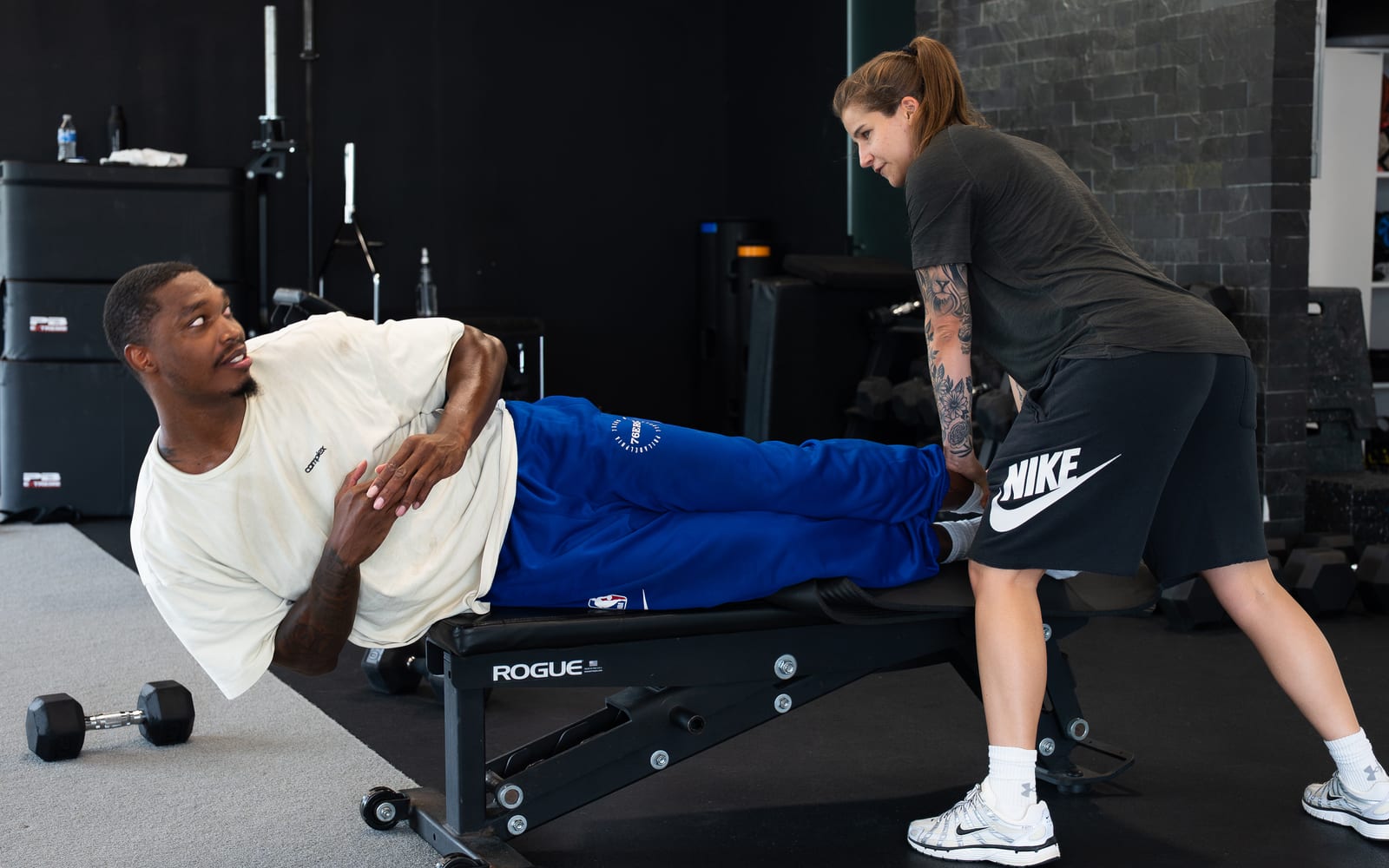
Swimmers and divers look different on paper, but the physical demands overlap more than most people expect:
- Midline control that holds under speed
- Hip and thoracic rotation that is available on demand
- Shoulder endurance plus scapular timing
- Elastic power, not just slow grinding strength
- Flexibility with ownership, not floppy range you cannot control
That last point deserves a moment. If you only stretch and never strengthen end ranges, you are renting mobility. It looks great until the first hard rep of the day, and then the landlord shows up. We want ownership: range you can reach, hold, and use under load.
For divers, the midline has to stay organized through a twist or a tuck, then reorganize for the entry. For swimmers, the trunk transmits force between the kick and the pull, and a trunk that gives way costs you speed with every stroke. In both sports, the athlete who can rotate fast and also stop rotating on command usually looks smooth.
Why Rotation Needs to Be Trained, Not Assumed
Most pool and board training is repetitive. Thousands of strokes or hundreds of dives a week train the same patterns in the same directions. That builds skill and endurance, which is great, but it can leave gaps in strength, power, and balance from side to side.
Land training is where we fill those gaps. A good plan asks three questions. Can you create rotation from the hips and mid-back instead of just twisting the low back? Can you resist unwanted motion when the movement gets fast? Can you produce force quickly, not just slowly? Your PT or coach can screen these and tell you which one is the weak link.
Transfer-Focused Progressions
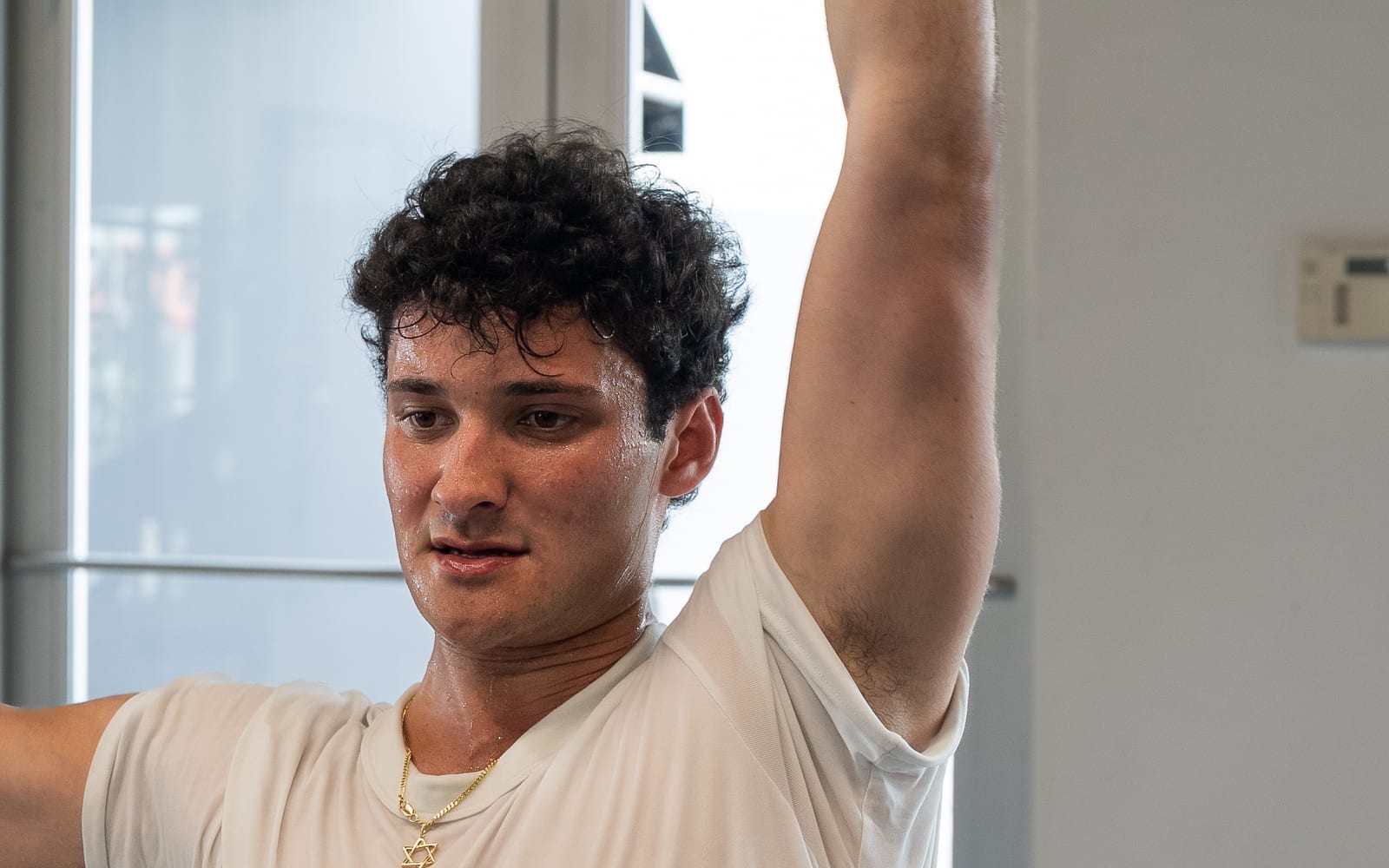
We build from controlled patterns toward fast ones. Skipping the first stage is how athletes end up with a sore back and a med ball that did nothing useful.
Land patterns
- Cable or band chops and lifts
- Medicine-ball rotational throws
- Single-leg hinge and landing variations
- Hollow, arch, and anti-extension work for midline
Chops and lifts teach you to move through the hips and ribcage while the trunk stays stacked. Single-leg hinges and landings matter because diving takeoffs and wall turns are, at heart, one-leg and two-leg force events. Hollow and arch positions are the land version of the body lines you hold in the water, so we train them with intent rather than as filler.
Power expression
- Short, crisp med-ball work over endless grinding core circuits
- Jump and land quality before chasing height
- Tempo control before max speed
Power work should be brief and sharp. A set of rotational throws where every rep is fast and clean beats a long circuit where the last ten reps are sloppy. If the quality drops, the set is over. We also care about the landing as much as the jump: an athlete who cannot absorb force quietly is not ready to produce more of it.
Shoulder Durability Is Not Optional
Swimmers and divers overload the shoulder for sport. Swimmers repeat overhead reaching thousands of times, and divers take force through the arms on entries and handstand work. Your land training should support that, not add junk volume.
Balance pushing with pulling, train overhead control, and keep prehab non-negotiable. A few things we look at:
- Rotator cuff endurance, not just max strength
- Scapular control through full overhead range
- Thoracic mobility, so the shoulder is not asked to make up for a stiff mid-back
- Pulling volume that matches or exceeds pressing volume
For a compact maintenance block, steal ideas from our 15-minute prehab routine. If you have shoulder pain that lingers, catches, or wakes you at night, get it evaluated rather than training through it. Our physical therapy team can sort out whether it is load, mechanics, or something that needs more attention.
Weekly Template Snapshot
Every athlete's schedule differs, especially around meets and competition blocks, so treat this as a starting point:
- 2 strength sessions with rotational emphasis
- 1 power or elastic session
- Daily short mobility ownership work
- Recovery that respects pool fatigue
On heavy pool weeks, the land work often shrinks in volume but stays crisp. In a taper, we keep a little intensity and cut the total load. The point is to arrive at the meet fresh, not proving how hard you trained the week before.
Your sport already taxes recovery. Training should make you better in the water, not just tired on land. That is the whole idea behind our performance training programs: fewer wasted reps, more transfer.
Frequently asked questions
How many land sessions should a swimmer or diver do each week?
Many athletes do well with two strength sessions and one shorter power session, then adjust around practice load and meet schedules. If pool volume is high, land work usually gets trimmed rather than dropped. Your coach or PT can help you tune it.
Is mobility or strength more important for swimmers and divers?
Both, and they work together. Range of motion you cannot control tends to be a liability, so we pair mobility work with strength at the end ranges. The goal is range you can own under speed.
Should I train through shoulder pain?
Not if it is sharp, keeps getting worse, causes numbness or tingling, or wakes you at night. Those are reasons to get evaluated before adding more training. Mild, predictable soreness after a hard week is different, and your PT can help you tell the two apart.
Ready to train for the pool or the board?
If you want a plan built around your sport, your schedule, and your shoulders, we can help. Book an evaluation through our contact page and we will start with how you move and what your season demands.
Let's get you better. Start your aquatic athlete plan with Paige or book a session.
Ready to Start Your Journey?
Tell us your goals and we'll build a personalized plan to get you moving, stronger, and performing at your best.