

Return to Lifting After Injury Without Losing Your Gains
Getting hurt is annoying. Watching your numbers drop while you wait is worse.
Most lifters try to jump back under the bar the second pain fades. That is how you turn a six-week setback into a six-month loop. If you want to return to lifting after injury and actually keep what you rebuild, you need a plan that treats the barbell as the last step, not the first. At Complex, we bridge orthopedic rehab and performance so you return to lifting with capacity, not just clearance.
Clearance Is Not Capacity
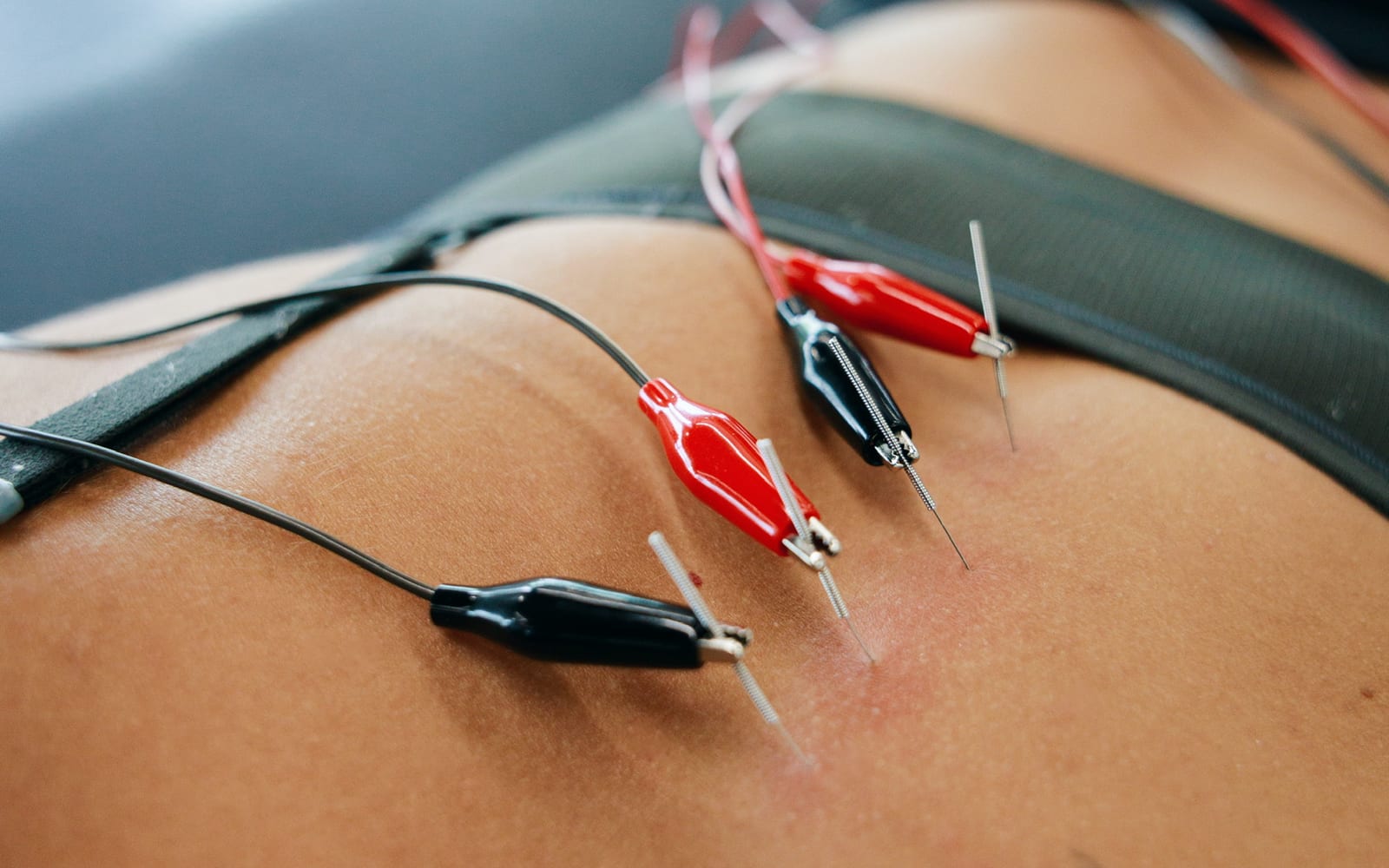
Being "cleared" means your tissue can tolerate basic loading. It does not mean your squat, hinge, press, and pull are ready for old percentages. Clearance is a permission slip. Capacity is what you do with it.
Ask yourself:
- Can you own the end ranges of the lift without compensation?
- Is single-leg or single-arm strength close to the other side?
- Does the joint stay quiet for 24 to 48 hours after a session?
If any answer is no, you are not behind. You are early. Early is fixable. Ego lifting is not.
Return to Lifting After Injury: Why Gains Fade and How to Slow It
Time away from the bar does reduce strength and muscle for many people, and that is exactly why the fear of "losing it all" is so common. The good news is that you can usually keep training around an injury, not just waiting on it. Your PT may have you loading the uninjured side, the muscles above and below the injured area, or the injured area itself in a protected range.
This is the part most lifters skip. They go from "rest it" straight to "test it." A better middle path:
- Keep training what you can, as soon as your PT says it is appropriate
- Use rehab exercises as real training, with real effort, not as a warm-up chore
- Re-enter the main lifts with a plan that has a ceiling for the first few weeks
Muscle and strength you built before the injury often return faster than they were first earned, but that is not a license to rush. The tissue you just rehabbed still needs time to adapt to barbell demands.
The Rebuild Ladder
1. Pattern first
Relearn the movement with light load and crisp positions. Tempo work is your friend here. A slow three-second lowering phase on a goblet squat tells you far more about your control than a heavy rep ever will.
2. Load second
Add weight only when form and joint response stay clean. Small jumps beat big PR attempts. If a jump makes your positions fall apart, the jump was too big, not your body too weak.
3. Volume third
Once load is stable, expand sets. This is where most people overdo it and flare tissue that was almost ready. Adding a set or two per week is easier to manage than adding both weight and sets at once.
4. Intensity last
Heavy singles and competition-style efforts come when the whole chain is durable. If a max attempt is on your calendar, we plan backward from it.
Notice the order. Most lifters do it in reverse: intensity first, then volume, then wonder why the joint is angry.
What We Watch in Session
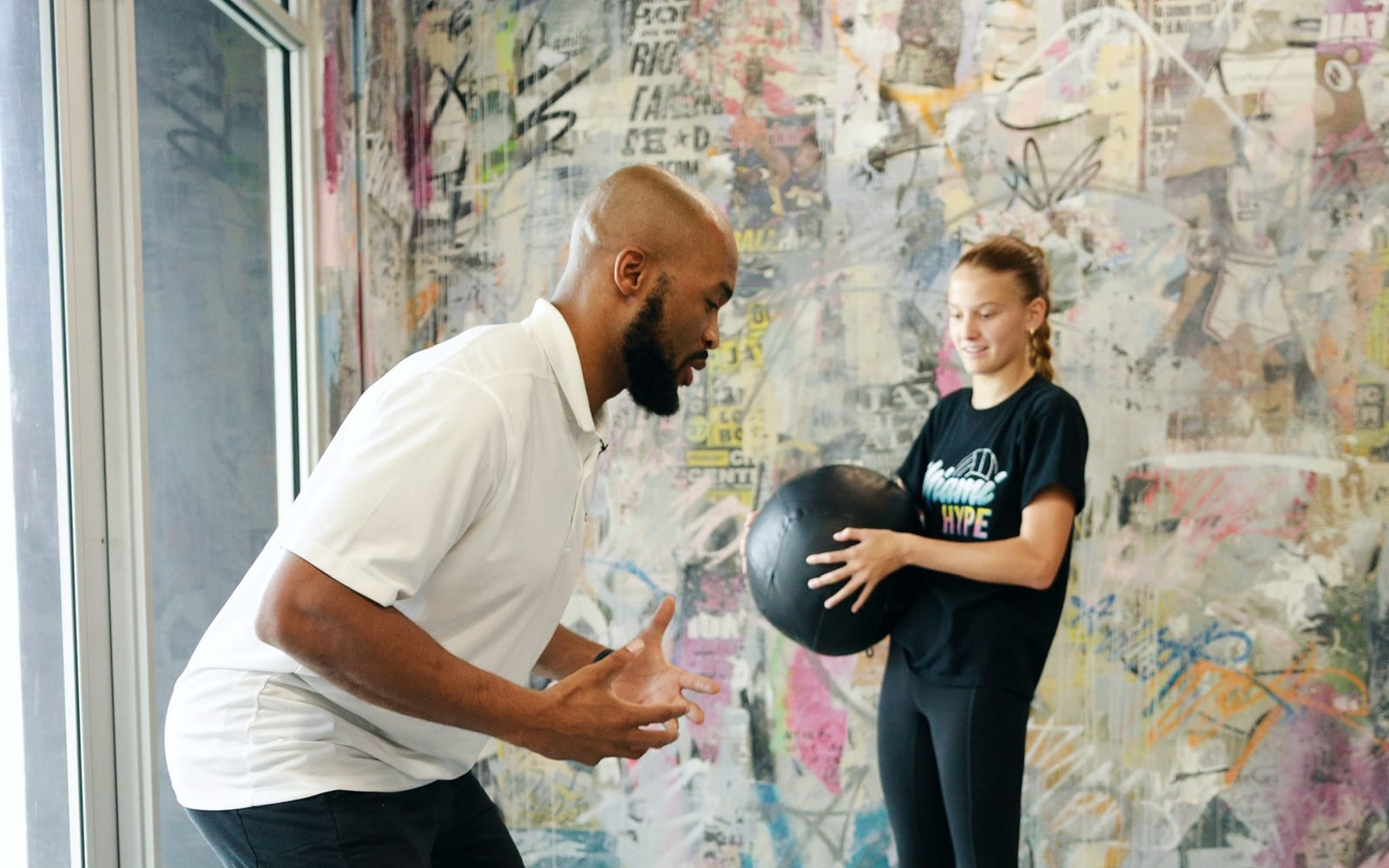
- Pain behavior: temporary local fatigue is okay; sharp joint pain that lingers is not
- Symmetry: big left/right gaps usually show up under fatigue
- Accessory work: the boring stuff that keeps shoulders, hips, and knees honest
We also pay attention to what happens after you leave. A session that feels fine but leaves the joint puffy or stiff the next morning is telling us the dose was too high. Keep a simple note after each session: what you lifted, how it felt, and how the area felt the next day. Patterns show up quickly when you write them down.
If you want a structured bridge from PT back into the gym, read our bridge program guide. Pair that with strength-based PT expectations so you know what the first block should feel like.
A Sample Re-Entry Week
This is an illustration of the structure, not your program. Your PT will tailor it to your injury and goals.
- Day 1: Lower body pattern work with tempo, one main squat or hinge variation at a modest load, and single-leg strength to check symmetry
- Day 2: Upper body pressing and pulling at controlled loads, plus shoulder and upper back accessories
- Day 3: A lighter full-body session with positions and carries, mostly to practice quality
Notice what is missing: max attempts, failure sets, and testing the old PR "just to see." Those come later, once the pattern, load, and volume steps are boring.
Common Mistakes
- Skipping warm-up quality because you "already know the lift"
- Cutting corrective work the week pain disappears
- Training through swelling or morning stiffness that keeps getting worse
- Copying your old program instead of rebuilding the program
Your old program assumed a healthy joint. Build a new one that earns that assumption back.
If you notice sharp pain, numbness, swelling that keeps building, pain at night, or you cannot bear weight, stop and get evaluated before you load it again.
Where Rehab and Training Meet
Getting back under the bar is easier when the people guiding you understand both sides. In physical therapy, we sort out what caused the problem and what the tissue can handle now. In performance training, we progress that capacity toward the loads and movements you actually care about, so you are not stuck choosing between rehab and the gym.
Frequently asked questions
How long until I can lift heavy again?
It depends on the injury, how you have responded to loading, and what your goals are. We do not promise a date, because a calendar does not know how your tissue is adapting. Your PT will use movement quality, strength testing, and how you recover between sessions to decide when heavier work makes sense.
Should I stop training completely while I'm injured?
Often not. Many people can keep training the uninjured parts of the body and load the injured area in a protected way. Your PT can tell you what is appropriate for your situation, and that keeps you moving toward lifting again instead of starting from zero.
What if my lift feels fine but the joint is sore the next day?
Next-day response is useful information. Mild, short-lived soreness can be normal, but pain that lingers or stiffness that keeps getting worse suggests the dose was too high. Bring those notes to your PT so we can adjust load, volume, or exercise selection.
Ready to Get Back Under the Bar?
If you want a progressive, measurable return to lifting, we can help at our South Miami or Wynwood location.
Do not trade short-term PRs for long-term training years.
Let's get you better. Start your rehab plan with Chris or book a session so your return to lifting is progressive, measurable, and actually sustainable.
Ready to Start Your Journey?
Tell us your goals and we'll build a personalized plan to get you moving, stronger, and performing at your best.